Most corporate event footage ends up unwatched on a hard drive somewhere. Not because the event wasn’t worth capturing — but because the wrong decisions were made before the camera ever started rolling. One day, thousands of rands, and one chance to get it right. This guide covers everything South African businesses need to know about corporate event video recording, from pre-production planning through to post-event repurposing, so your footage actually earns its place in your marketing arsenal.
What Is Corporate Event Videography in South Africa?
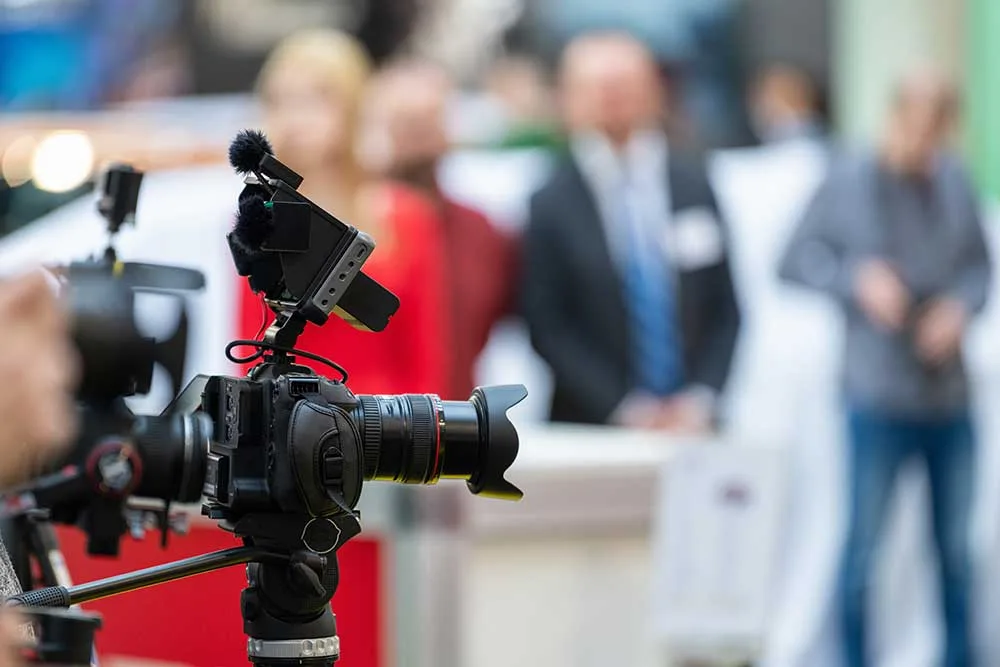
Corporate event videography involves capturing business events like conferences, trade fairs, and symposia using professional video crews and industry-standard equipment. It focuses on creating high-quality recordings for corporate use, covering full events or highlight reels.
Professional video crews capture your conferences, trade fairs, and symposia with industry-standard equipment and cinematic precision.
The process runs from pre-production planning through to post-production editing. You get polished, professional outputs suited to your business needs. Unobtrusive camera operators document proceedings without interrupting your event.
Corporate videography also serves as a powerful marketing tool. You can use recorded footage for future promotions or to showcase event success. This builds brand trust and strengthens your position within your industry community.
South African businesses across Johannesburg, Cape Town, Pretoria, and Durban actively use these services. Professional video crews deliver great results that reflect your organisation’s standards and values. Every production follows a 60-step ISO 9001 checklist to ensure consistent quality across every shoot. Recordings are captured using solid-state recording decks that store high-definition footage reliably without risk of data loss or playback failure.
What Does a Corporate Event Videographer Actually Do?
Grasping what corporate videography involves sets the stage for knowing who makes it happen. A videographer manages your event from pre-production to final delivery. They handle filming, sound, lighting, and editing.
| Phase | Key Action |
|---|---|
| Pre-Event | Scout venue, consult client, storyboard concepts |
| On-Site Filming | Capture speeches, candid moments, testimonials |
| Technical Execution | Operate cameras, manage audio, document branding |
| Post-Production | Edit highlight reels, mix sound, deliver final content |
You’re part of a collaborative process throughout. Your videographer liaises with your marketing team for messaging consistency. They secure written agreements outlining deliverables and timelines. The result is polished content that represents your brand and connects your team to a shared story. For large-scale productions, crews rely on mobile equipment racks and long-distance tactical fibre optic cables to wire convention centres and support multi-camera setups across expansive venue floors. Corporate videographers also stay current with emerging industry trends such as live streaming, drone footage, and 360-degree video to bring modern production value to your event.
What Equipment Should Your Corporate Event Videographer Bring?
The right equipment separates a polished corporate video from a forgettable one. Your videographer’s kit directly affects the quality you deliver to clients, colleagues, and stakeholders.
Here are three essential equipment categories your videographer must bring:
- Cameras – Broadcast-grade options like the Sony PXW-Z190 offer 4K recording, high bitrate, and strong exposure control.
- Audio gear – A Rode NTG5 shotgun mic and Shure SM58 handheld capture clear, professional-grade sound.
- Stabilisation tools – A DJI RS3 gimbal or Manfrotto 190XPRO tripod guarantees smooth, steady video footage.
Lighting kits, spare batteries, high-speed memory cards, and backup camera bodies complete a reliable setup. For multi-camera productions, Clearcom communication systems allow directors and crew to coordinate seamlessly across positions without disrupting the event.
Every item serves a purpose. Arriving prepared means your team captures every important moment without interruption. Always set white balance at each new location to ensure accurate, consistent colour throughout your footage.
How to Choose the Right Corporate Event Video Team
Choosing the right corporate event video team starts with evaluating their experience across similar projects, such as conferences, product launches, or executive presentations.
You’ll want to review their portfolio for consistency in quality, storytelling, and style alignment with your brand’s identity.
Equally important, assess the equipment they bring—professional-grade cameras, multi-channel audio systems, and proper lighting rigs signal a team that’s ready to deliver reliable results. For large-scale events, look for teams experienced in deploying image magnification systems to ensure delegates in every seat have a clear view of on-stage presenters.
Always ask about their pre-production planning practices, including whether they conduct location scouting and storyboarding before the event day.
Evaluating Team Experience
Finding the right corporate event video team starts with a thorough evaluation of their experience and past work. Review their portfolio carefully. Look for consistency in production quality across multiple projects.
Three key indicators of a strong corporate video team include:
- A portfolio featuring corporate events similar to yours
- Clean editing, clear audio, and professional audio gear usage
- Testimonials from previous business clients confirming reliable delivery
Experience with corporate events specifically matters more than general video production skills. A team familiar with keynotes, galas, and conferences grasps your environment. They know how to capture what businesses actually need. For technically demanding environments, confirming that their equipment meets zero-failure broadcast standards ensures your event recording will not suffer from unexpected hardware issues mid-production.
Check reviews across Google and vendor platforms. Repeated positive feedback suggests authentic reliability. Style alignment between their previous work and your brand identity produces great results for everyone involved. Requesting detailed case studies that outline objectives, processes, and measurable results helps you assess a team’s strategic storytelling effectiveness and overall impact.
Assessing Equipment Quality
Once you’ve confirmed a team’s experience and reviewed their past work, their equipment tells the next part of the story. Professional camera and visual capture technology directly affects your final video quality. Ask specifically about camera models, stabilisation tools, and audio gear.
| Equipment Type | Professional Standard | Example |
|---|---|---|
| Camera | 4K recording capability | Sony A7S III |
| Stabilisation | Gimbal system | DJI RS3 |
| Audio | XLR connectivity | Zoom H6 Recorder |
Teams using industry-recognised equipment deliver consistently sharper, cleaner results. You’re investing in documentation that represents your brand. Low-light performance, stabilisation quality, and audio clarity are non-negotiable standards. Broadcast-level corporate event video also depends on wireless microphone systems and heavy-duty floor monitors that perform reliably under continuous-use conditions.
Always confirm the team carries backup equipment and extra batteries. Technical failures during critical moments aren’t acceptable. The right gear protects everyone involved.
What to Expect on the Day of Your Corporate Event Shoot
The day of your corporate event shoot moves quickly, so knowing what to expect helps everything run smoothly. The crew arrives early, unloads gear, and begins setting up cameras, lighting, and sound equipment before guests arrive.
Here’s what the recording day typically involves:
- Setup and checks: The crew positions tripods, lavalier mics, and LED lights while evaluating acoustics, glare, and HVAC noise.
- Active filming: Camera operators work in the background, capturing speeches, reactions, and B-roll without interrupting speakers or guests.
- Schedule management: Call sheets guide the team through locations and times, keeping everyone aligned.
You’ll feel supported throughout. The crew coordinates access, manages equipment backups, and adjusts to agenda changes, ensuring your event is captured professionally and authentically. For events requiring live distribution, dedicated hardware encoders can stream footage directly to employees across the country in real time.
Repurposing Your Corporate Event Footage for Marketing and Training
Corporate event footage doesn’t have to sit on a hard drive after the event wraps up. One well-filmed event creates months of content across multiple platforms and channels.
One well-filmed corporate event generates months of content — long after the venue has packed up and gone home.
Here’s how you can repurpose your footage:
- Social media: Speaker reels, highlight clips, and award ceremony moments work well on LinkedIn, Instagram, and TikTok
- Marketing assets: Testimonials, product demos, and website banners add movement and credibility
- Sales tools: 60–90 second customer clips strengthen sales pages and prospect outreach
- Training materials: Micro-videos under 15 seconds integrate into email headers and internal communications
Event footage increases lifetime asset value by 45% over 12 months. Your broadcast equipment setup on the day directly determines repurposing quality. Plan your repurposing strategy before recording begins. Audio recorded in untreated rooms with hard reflective surfaces produces prolonged reverberation time that undermines speech intelligibility and reduces the usability of repurposed footage across every platform.